


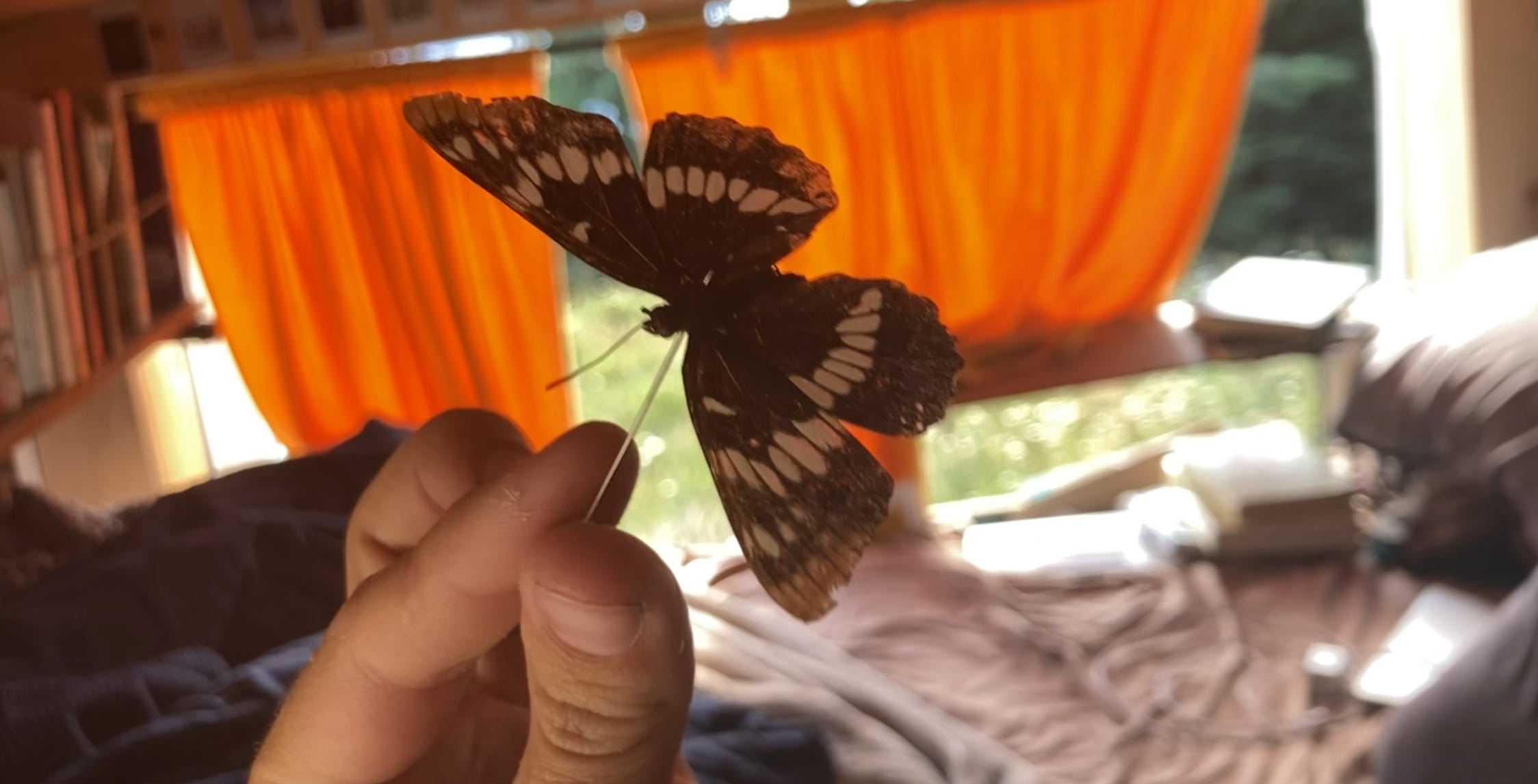
In high school I was sporty, and at various times, quite handy. I hung every set of curtains in my best friend’s house (but there is also a half-built cat tower in her laundry room). I experienced a coming-of-age depression, bought a motorcycle, learned guitar (then later sold the motorcycle and left a note book full of unfinished song lyrics in my closet). Eventually I went to college, and began working in academia. I’ve read hundreds of books (and set down dozens of others). Mom and I both have dreams of living off-grid, so I got into canning and horticulture (now the scraps of a very large garden bed are rotting in my parents backyard).
I am most ashamed of this last one.
My blessing and my curse is I am an accomplished romanticizer. Consequently, I have quit a lot of hobbies I was initially obsessed with. There is a natural course-correction that takes place as we age, a revising and a sharpening. But in a culture that worships grit, I experienced several conflicting effects before I could name or appreciate them. I once wrote in my journal that I was doomed to live a bunch of little lives, and nothing represents this fear better than my graveyard of abandoned projects.
Exhibit A: Gardening
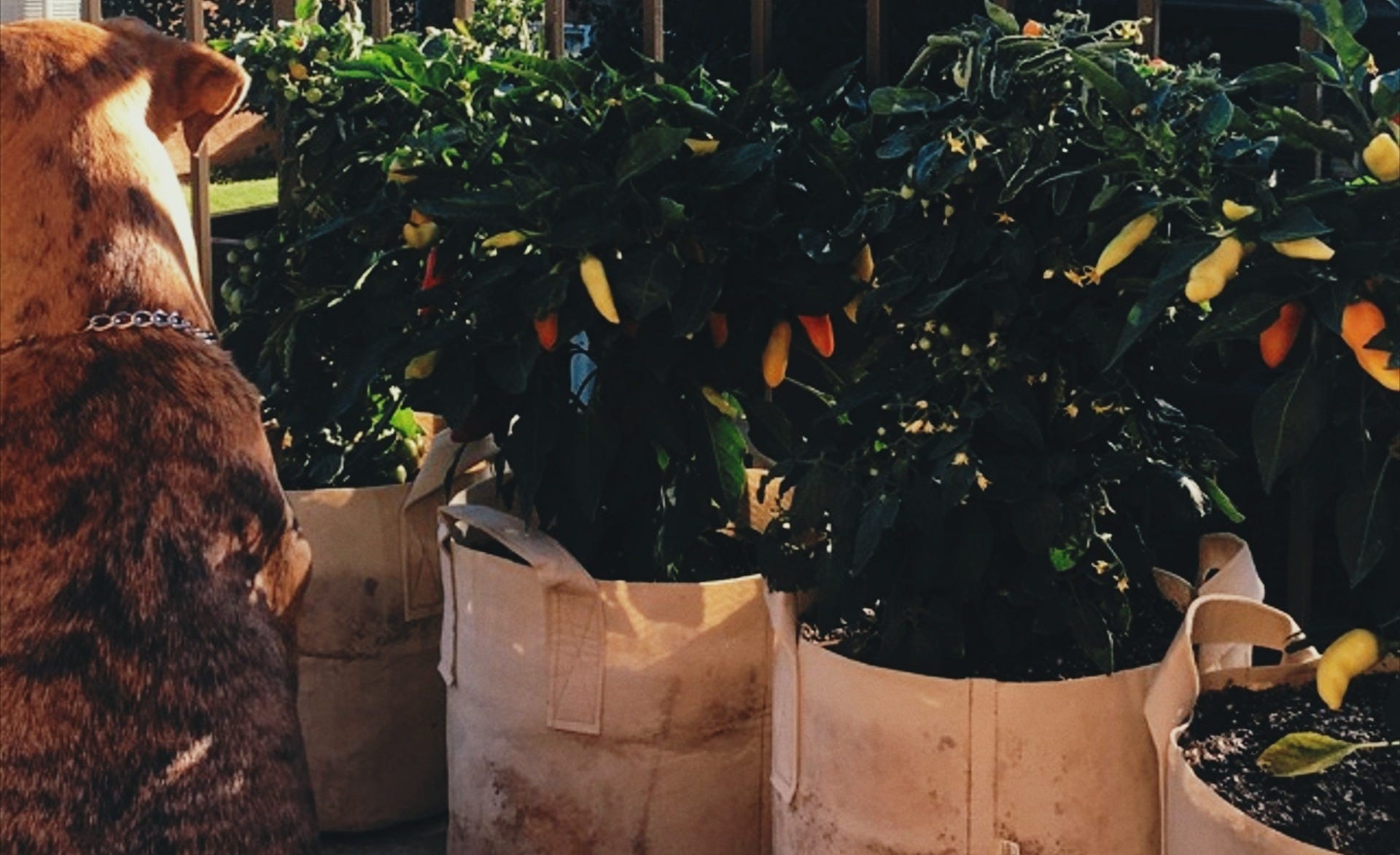
What pulled me in: Post break-up blues and a whole lot of extra time on my hands. Living in a city for one month too many. Jess’s garden from Roots and Refuge.
The fantasy: Tunnels of green, endless cherry tomatoes, dirty feet, dirty hands, unbrushed hair, milkmaid dresses, tangled flowers, open space.
The reality: I purchased an unrealistic number of seed packets and grew two pepper plants and two tomato plants on my deck. I made salsa all summer long. After accounting for soil and fertilizer, I probably spent about $30 dollars a jar.
Why it was abandoned: I moved into a van and had no porch or land to grow from. (+ I almost cut my finger off building aforementioned garden beds for mom. Mom kindly let me off the hook.)
What I’ll keep from it: All the seed packets, greenhouse plans and garden layouts. A disdain for grocery store produce. A resigned understanding this is a retirement vision, to be picked up if I can ever afford an acre or two of my own.
Exhibit B: Bouldering
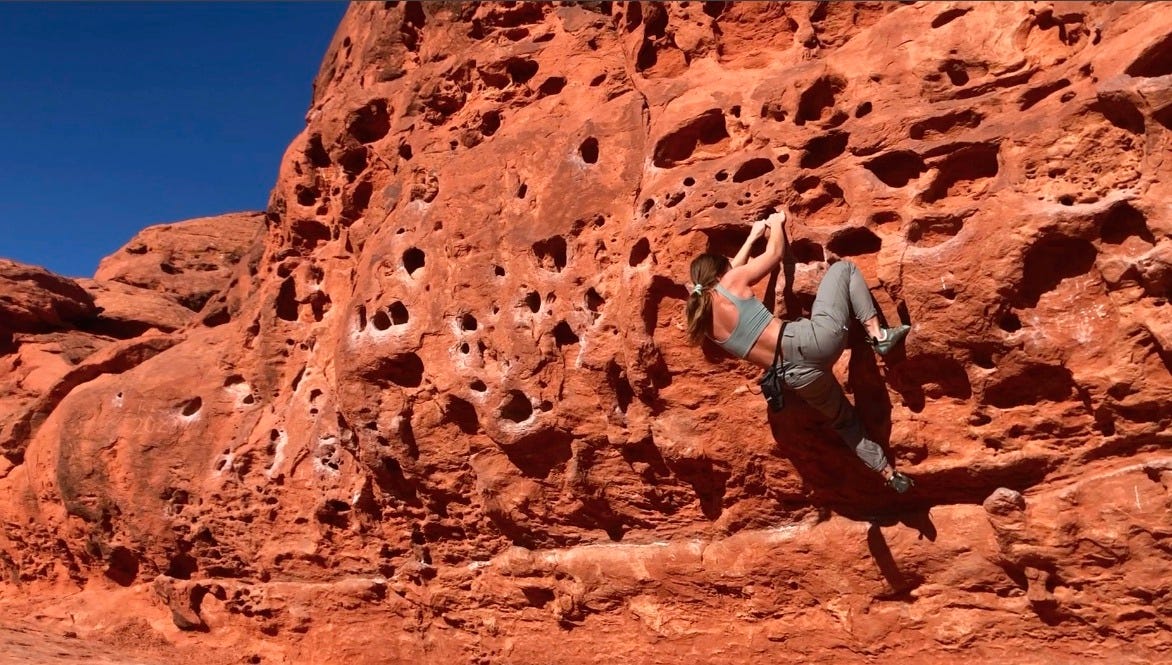
What pulled me in: A big, red rock, stretched across forty feet of St. George’s Pioneer Parkway, and a welcoming community of fellow dirt-bags.
The fantasy: Traveling from town to town, exploring places through their boulders. My dog, Scout, in my passenger seat and endless road in my rearview mirror.
The reality: My obsession at its peak coincided with my time living in a van. I’d stop in Salt Lake when the weather was nice and pay for a temporary membership at a climbing gym called The Front. I worked during the day inside their cafe, climbed in the evening with friends, then used the gym shower and parked my van on the street outside to sleep. My maps even began to confuse The Front as “Home.” For a few months at a time, it was.
Why it was abandoned: Moved out of the van. No nearby gym. A shower at home. Trips to the desert take all day.
What I’ll keep from it: A pair of overly expensive, well-worn climbing shoes and a chalk bag. The grip strength of a young man. An unhealthy fondness of heights, and a proclivity toward mapping the climbable routes of any passing boulder, tree, or structure.
Exhibit C: Lyra & Silks
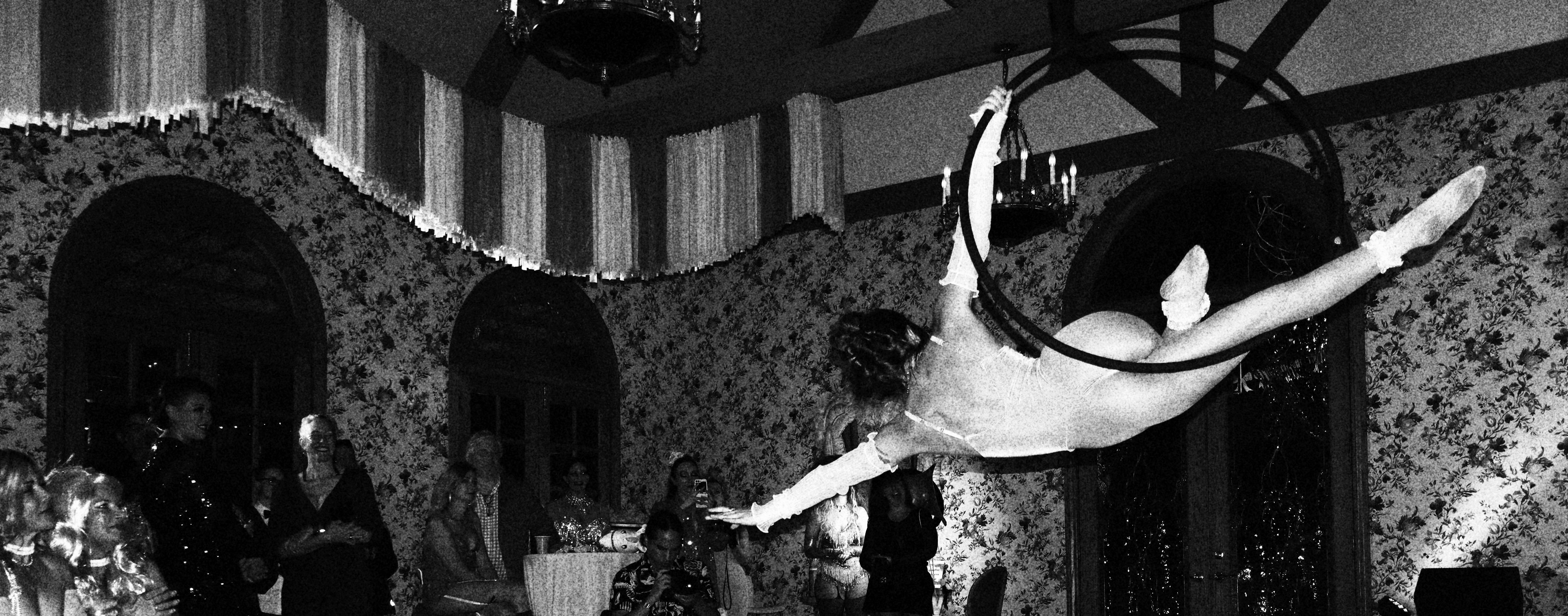
What pulled me in: Videos of a spinning acrobat queen named Aisling and an ungodly amount of spite after I dumped my ex-boyfriend for cheating.
The fantasy: I finally learn to do the splits and maybe join the circus. Feathers, beads, strange apparitions. I get wrapped up in a carnival, murder mystery.
The reality: I hate stretching but I have strength, and spinning is fun. I train obsessively for a few months, pull off a few cool moves, and injure my ribs in a reckless body roll. Don’t learn the splits. I now get on less frequently now, despite promising everyone a thirtieth birthday show.
Why it will likely be abandoned: I may no longer have access to twelve-foot, structurally sound, ceiling beams like I do now. I will let myself procrastinate almost any type of physical workout if the alternative is reading a book or journaling. Because these are “Good For My Brain.”
What I’ll keep from it: $250 bucks in paid performances and a birthday routine of unknown quality. A whole lot of sparkly outfits and three solid steel hoops. A new understanding of my own gracefulness.
In Sylvia Plath’s novel, The Bell Jar, she likens overwhelm of choice to the plucking of a good fig. “I wanted each and every one of them,” the narrator, Esther, says, “but choosing one meant losing all the rest.” So she stands in front of the tree, “starving to death,” and watches each fig fall to her feet and dry up around her. I am not like Esther, but I am close. The fruit around me may be dried, but there is also be a bite or two taken from each one.
Quitting isn’t the problem – not starting at all is far worse. Esther was paralyzed at the thought of all the lives she could not lead, and my only solution to this cognitive gridlock has been to eat immediately, ravenously, and without loyalty. Quitting, so long as you don’t leave someone else holding the consequences, is one of the most under-rated creative practices.
Here’s why.
1. You See What’s Left
Not noted above is my winter fling with snowboarding (abandoned after two concussions due to fear of early onset dementia) and an undying fantasy of riding everywhere on horseback (another retirement dream). I get random bursts of obsession with film photography, DIY, and interior design, and about once a year I resolve to sew a whole new wardrobe using only second-hand materials. I get my ass handed to me in pickleball by my parents every holiday and pull out my half-inflated rugby ball when old teammates come around. There are several jars of frozen bugs in my freezer, waiting to be correctly preserved…
Through it all, some have remained constant.
In my thirty years, there have been hobbies that came and went, but more importantly were the ones that returned. Whether due to logistical reasons or emotional ones, I have always been pulled back to writing and community based activities.
Writing, and all its forms — researching, documenting, collecting, is the only way I know how to successfully combine all my fields of interest into one cohesive, creative practice. It is also accessible and flexible. Writing can be crammed into thirty minutes or it can be obsessively indulged in. Writing can be solitary or it can be communal. All I need is pen and paper and something to wonder about.
2. You Become More Human
ChatGPT can tell you that a bouldering route is called a Project, and it can tell you how to interpret the rating system to determine the difficulty. But it can’t tell you how half of “climbing” is actually just sitting on your crash pads with fellow dirt bags, laughing and drawing straws to see who has to make the two-hour car ride back with Jake’s sweaty, old climbing shoes. (We tied them to the roof-rack).
How else can we confidently say a gardener always knows the weather and dirt never leaves from under her fingernails? Only a human could tell you that working in an upscale, members-only club with very few patrons is ten thousand times less interesting than working in a dive bar kept busy by over-sharing drunks.
In conclusion
There are a number of reasons we might stay inside a life of expired curiosity: fear of change, others expectations of us, or even our own initial investment. Endurance is often praised as virtue, even when attention has already moved on.
But experience doesn’t need mastery to be useful. Not every departure needs a reason. And essays don’t have to be finished in order to