


I live in real life Wonderland (well, I manage an eighteen acre garden estate in the rolling hills of California wine country). It is a place unlike any other, where you will get lost, get distracted, get carried away. It will swaddle you in spider webs and swallow you whole.
“A place like this makes you want to live forever,” one of our guests once told me.
All manner of mischief happens here; people chase each other through our hedge maze and over our giant chess board. I was cheated on here, fell in love again here, and a short time ago, as legend has it, I officially aged out of the system and turned thirty.
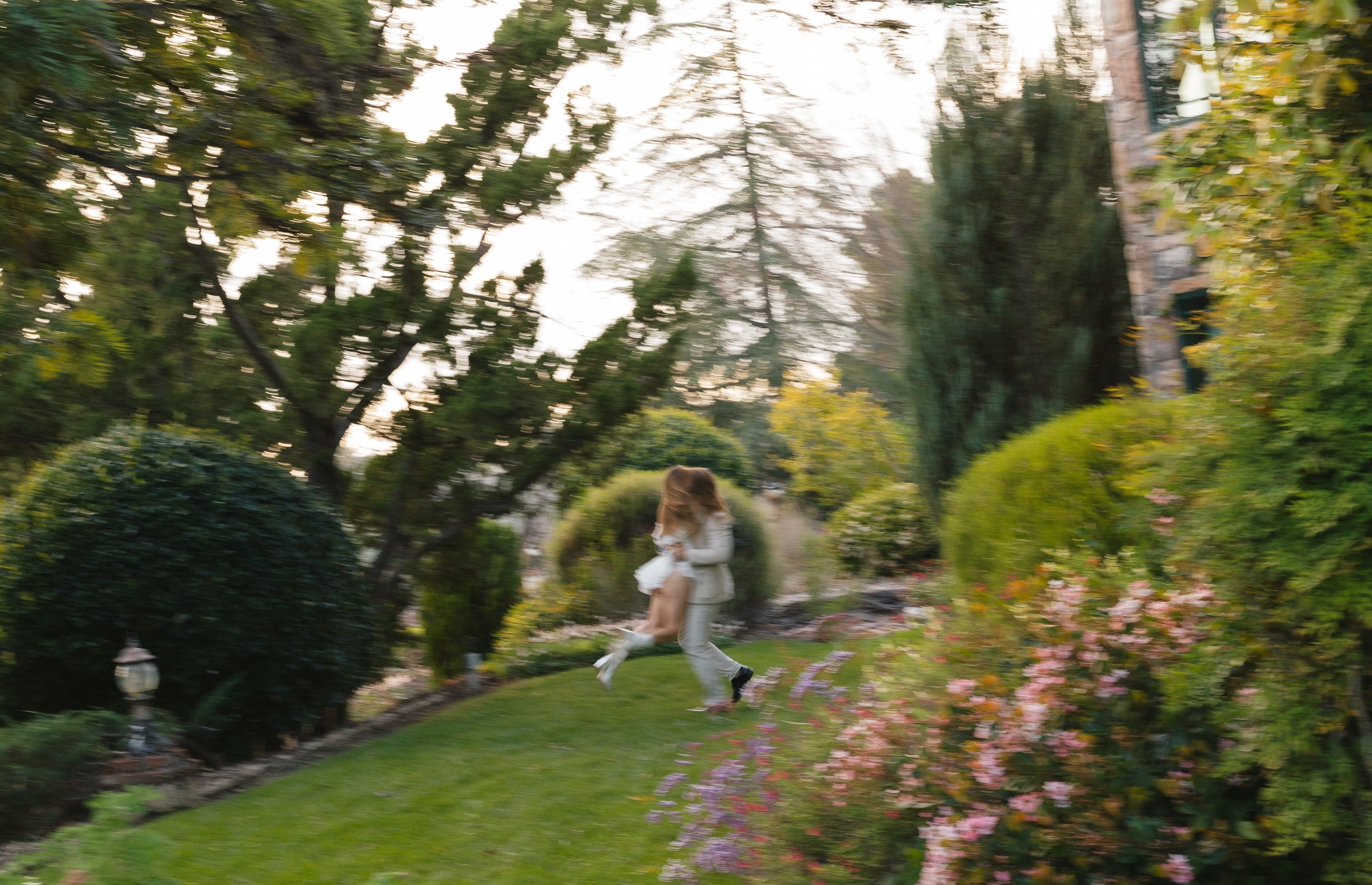
I handled it well despite society’s unfounded obsession with early bloomers. Take for example, Forbes 30 under 30, which is I think, meant to show us peasant folk what the bright young elite of today are doing and induce awe at the riches they’ve accumulated so far. “In fact, 46 Under 30 honorees have gone on to become Forbes billionaires!” They brag unashamedly. “And now, in the midst of an AI revolution, they’re leading the charge. The new class is using machine learning to do everything…” The article goes on to say. Inspiring, I guess?
I’m being bratty. Some of the Thirty do genuinely excite me and deserve to have their work spotlighted, like Daria Balatsky, co-founder of Alga Biosciences, a company making “safe, scalable, cost-effective dietary supplements that reduce greenhouse gas emissions by making cows burp less.” Delightful! And former elementary school teacher Yasmin Barkett, who co-founded ROYO (Read On Your Own) in 2024, a website that “empowers teachers to personalize books in real time, letting students see themselves as avatars in stories.” I love it.
But then one of the Thirty was praised for raising $255 million to “sell AI agents that can handle customer service tasks for consumer companies…” So there can be even less shitty jobs for the rest of us in the 99% to fight over. I was also surprised to find a celebrity section (I guess I forgot I live in America). The subtitle: “Turning fame into a force for change.” Sounded exciting, but most of the celebrities were just praised for their heavy acting workload and/or abundance of lucrative brand partnerships.
“No matter what you do, you must also be a content creator,” 22-year-old Anna Cathcart says. “You're putting up a mini billboard any time you post something-- that's immediate marketing.”
I want to cry for Anna, thinking of myself at 22, and what it would’ve meant for me to perform an identity before forming one. (And don’t worry, they don’t give two farts about our concern or criticism because, in case you forgot, they’re future billionaires).
Success has become less about achievement and more about timing. Narratively, we are obsessed with prodigies and child stars and our framing of them makes success feel magical, which obscures other factors like privilege or pressure. We call it talent and ambition, but often, it is compliance shaped into something marketable. We already know many prodigies are highly trained from extremely young ages or are under intense familial or institutional pressure.
But it’s easy for critics to point out bad parents, generational wealth and predatory industries. The deeper, unfortunate truth is: entire systems are built to extract value from our youth. And it has only gotten more intense with social media, with children streaming and commodifying their entire adolescences. The younger they are when this happens, the more devastating the consequences and more likely it is they will fall into the same horrifying pattern: they rise to fame early, are punished for not knowing where to go next, disappear, and return to our awareness with some kind of paparazzi-fueled public unraveling.
We crown them with attention, virality and money. And then we watch them crack.
Meanwhile, the rest of us are hitting milestones much later in life than our parents did, according to a now famous 2021 Pew Research Study. Some of these milestones (like having children) may be better approached with time and intention, and their delay isn’t necessarily a sign of failure. (Of course we are still chastised by conservatives on the right, who warn of a declining birth rate while largely refusing to engage with the reasons behind it.) The study, overall, indicates an increasing instability and reminds us: culture spotlights the exception, not the norm. Yet we still expect people to peak early in a system where adulthood itself is delayed. The timeline is broken, but the expectations have stayed the same.
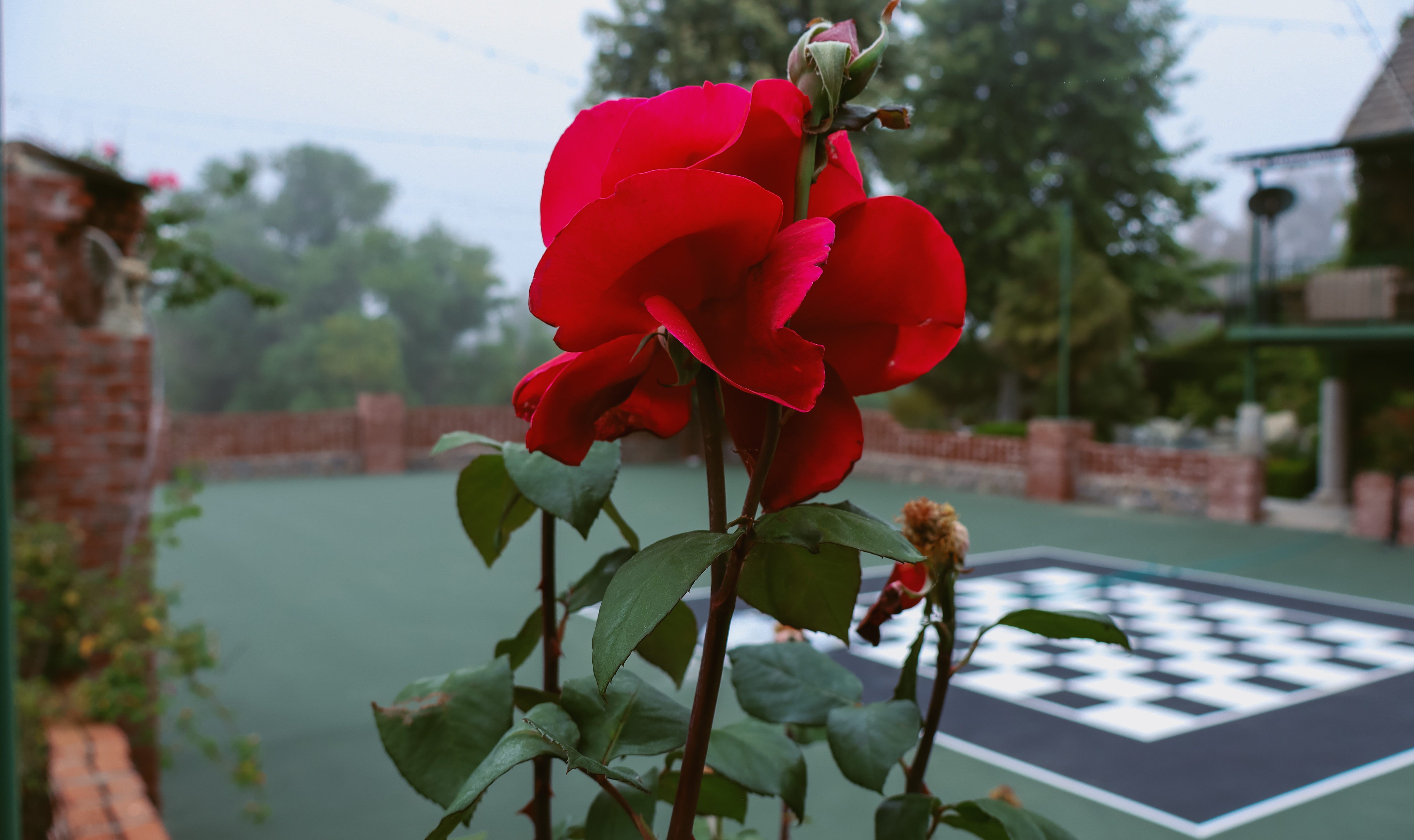
I personally have failed almost every writing dream I’ve ever dreamt for myself (finish a non-embarassing book by twenty-five, find an agent by twenty-eight and be published by thirty, ha). I am far too Alice-like to have found success so young, (i.e., wandering away to live in a van for three years, falling down the rabbit hole of trying to renovate a house alone, etc.) I needed those years of movement and unrest, of bathing in rivers and dozing off at laundromats. Because as I have aged, unwatched by a society at large (who would cheer on my failures and question my successes) my understanding of my self has strengthened, matured, and resolved. A natural productivity, unforced and unbidden, has emerged.
It is ironic how much better we get at prioritizing what’s important, focusing our energies, and managing our time, while (and maybe because) we increasingly having less of it.
Refuse the Clock: A Last Bit of Wisdom From Wonderland
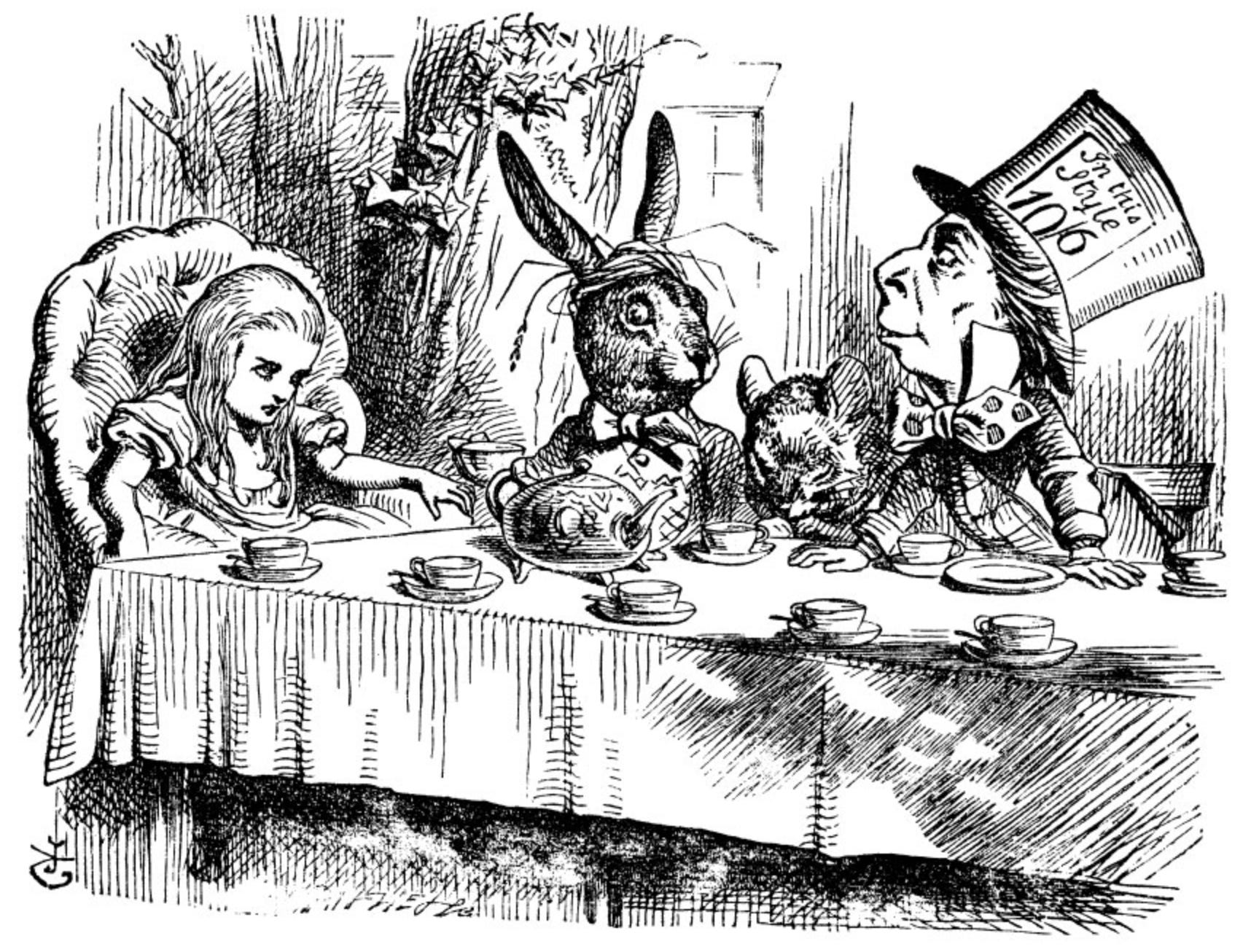
Alice sighed wearily. `I think you might do something better with the time,’ she said, ‘than waste it in asking riddles that have no answers.’
‘If you knew Time as well as I do,’ said the Hatter, ‘you wouldn’t talk about wasting it.’
It has become clear to me we are not afraid of failure — we are afraid of being late. At least I was. But success does not live in one singular achievement or one moment in time; it lives alongside it. In relationship with time. So let us resist the limiting (and very capitalistic) belief that we must grab at success while young (!) and instead embrace the wisdom gained from aging.
I am here to build a life (not just a career) around my art, so I will draw inspiration from the spinsters and the crones. And I mean those words with the most generous definition: Women who do not soften, but distill, their wisdom. Women who have outlived the need to be agreed with and fawned over. I am in awe of writers like la Genberg and Samantha Harvey, who live quiet lives perfecting their craft over decades. Their bio’s are short, their public appearances few, but their art — nothing short of transcendental.
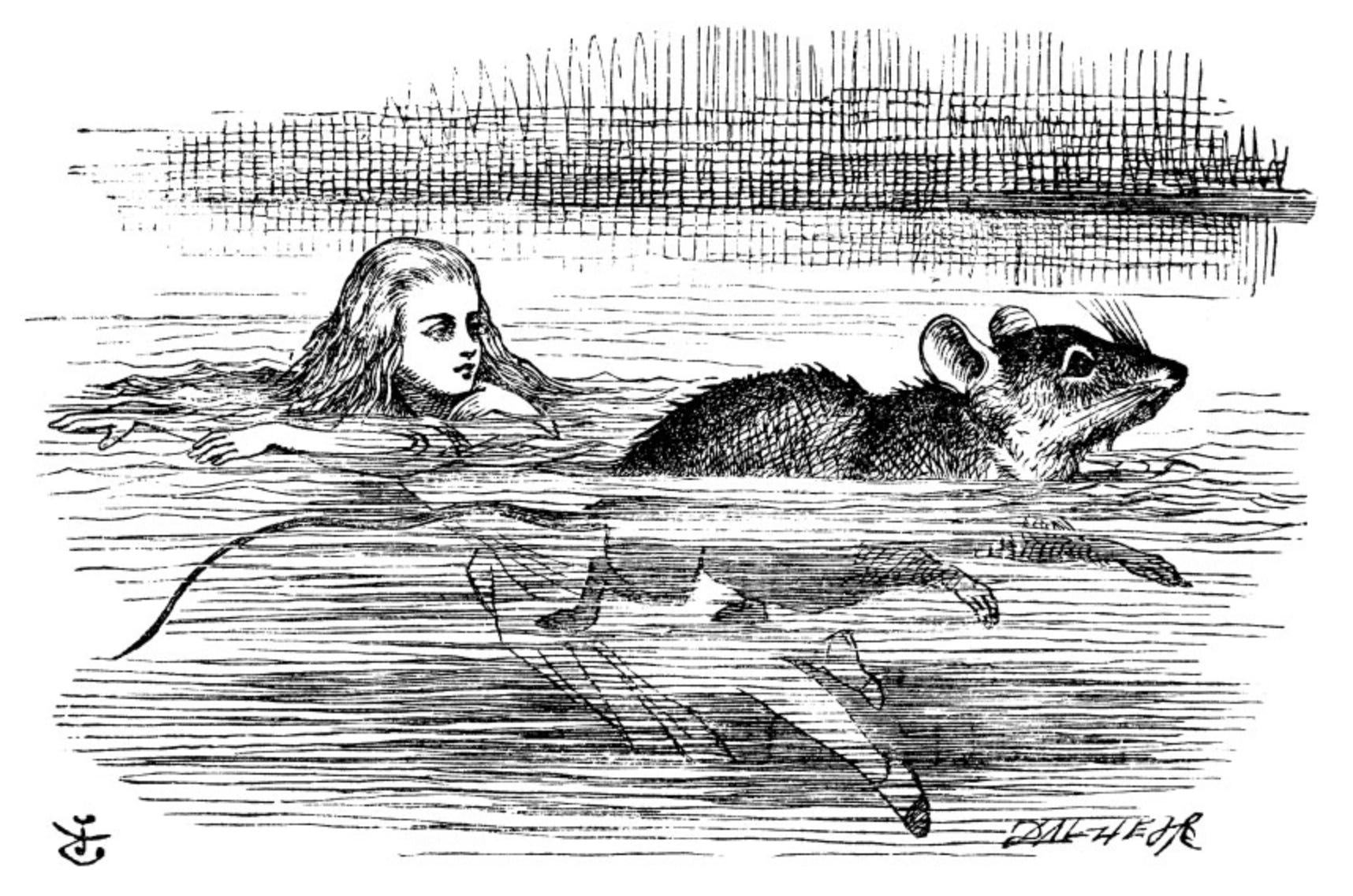
When Alice first falls into Wonderland, Lewis Carroll writes her new reality with horrifying relatability. She stumbles through the disorienting landscape in the same dreamlike way we do when we’re on our phones… i.e., Scroll for ten minutes and somehow an hour is lost. We look up and rub our eyes and think, How did I get here? What did I gain? Usually the answer is ‘nothing’ or in the case of the hyper-productive who like A.I., ‘a capitalistic efficiency of the process which might entirely rob the artistic joy from said process.’
I turned thirty and I have fallen in love with time. In some cases this means I worry too much about losing it. It is why I run from Tiktoks, shorts, reels. And I think I can officially say short form content has not yet been fast enough to catch me. I love big ideas, long ideas, and I am traveling more competently through them. In the last year I have also turned off many of the podcasts or audiobooks I once had playing in the background, preferring to let my mind wander. I am better than I ever have been at sitting in stillness. Early in the morning, or after a day spent checking off work and household tasks, I walk in the yard with the dogs. I leave my phone behind. In the quiet my whole self comes rushing back at me. The part that wants to wear clown make up and organize a circus show for my friends, the part that wants to call my mom and talk about the wildflowers she’s planting, the part that wants to write about everything and trick people into reading it. The part that understands creating gets better with aging.
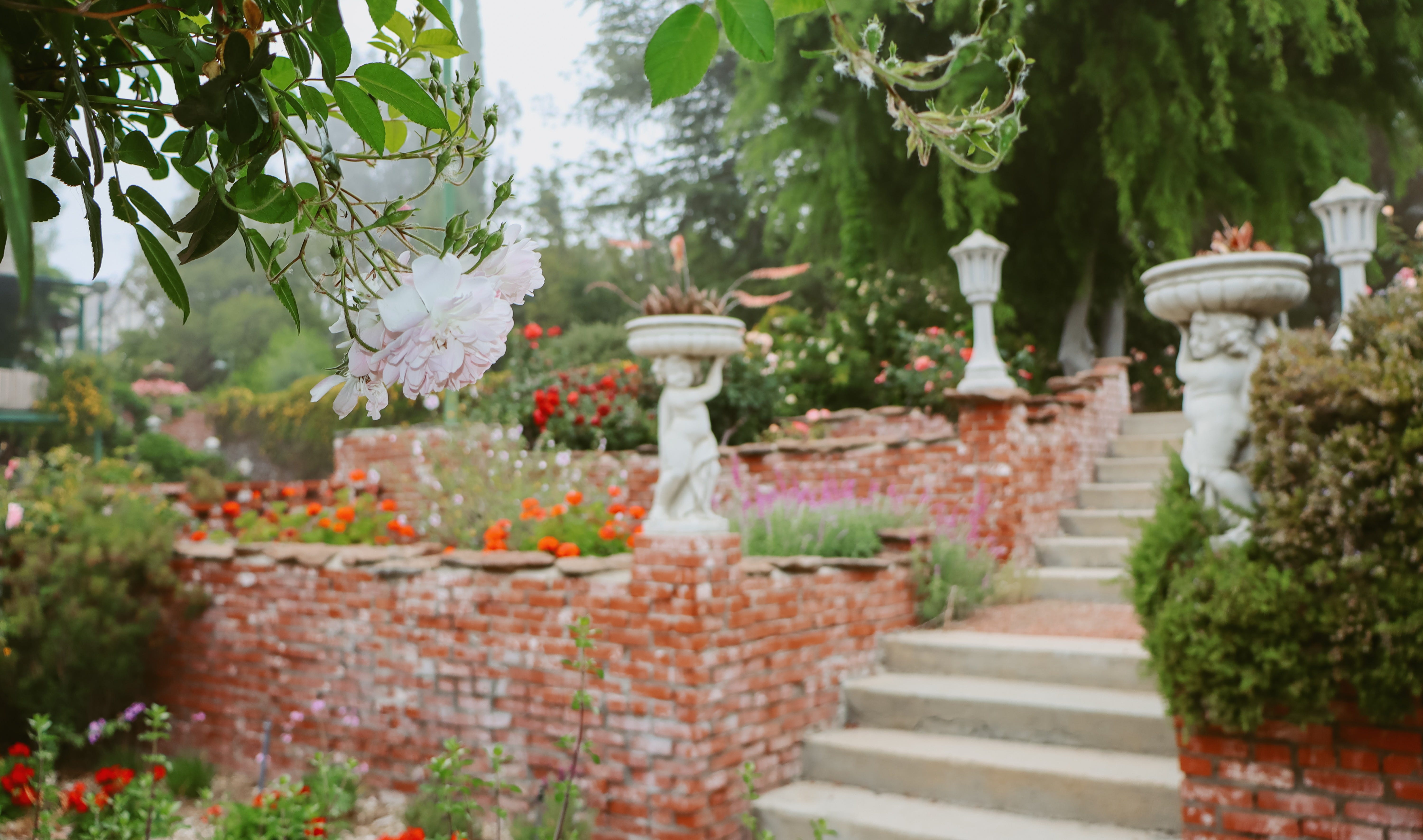
‘But Carly!’ you might cry. ‘Not everyone gets to live in Wonderland.’ Well, I say, I still have to work in Wonderland and working where you live can produce a strange sort of overstimulation. Thousands of guests pass through in a year. There is a constant whiplash between my desire to enjoy the gardens and live up to their beauty. It is both a place of escape and a place that needs constant tending. I often miss when I lived in my van, making $14 an hour tutoring English and sleeping along random Forest roads. I lived a life of simplicity before I knew what to do with it. At least I couldn’t afford to scroll (literally, couldn’t afford unlimited data). I think it is in our poorest situations when we should resist it the most.
I do consider myself lucky now but I am still proud.
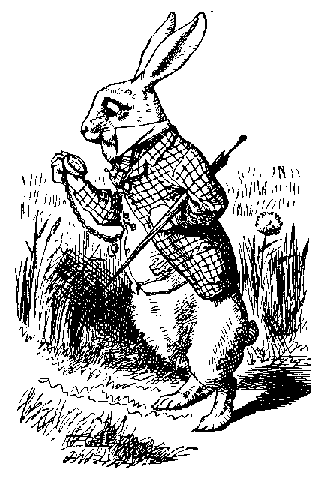
Wonderland is full of time-obsessed characters, but time never behaves. Clocks exist, but they fail to organize experience. The White Rabbit is always rushing. For what exactly is never clear, but Alice sets her sights on him and chases him anyway. He can symbolize youth (something you will never catch since we only ever get older); he can symbolize what motivates us (money, success, the One Thing That Will Bring Us Happiness); he can symbolize anything you like really, particularly the things we chase. I like to think of him and all his impatience as a fallacy of the whole damn story, because success, and more importantly happiness, is one thing you can’t age out of catching.